


China silicone leather manufacturer
Silicone leather offers exceptional durability, superior flexibility, and environmental friendliness. Its waterproof and stain-resistant properties ensure long-lasting beauty and performance.
As a versatile material, silicone leather is ideal for various applications including automotive, upholstery, and fashion, withstanding temperatures from -40°C to 200°C.
Our expertise as a leading China silicone leather manufacturer is showcased through rigorous quality control, competitive pricing, and customized solutions, with a production capacity exceeding 500,000 meters monthly, meeting global standards.
-
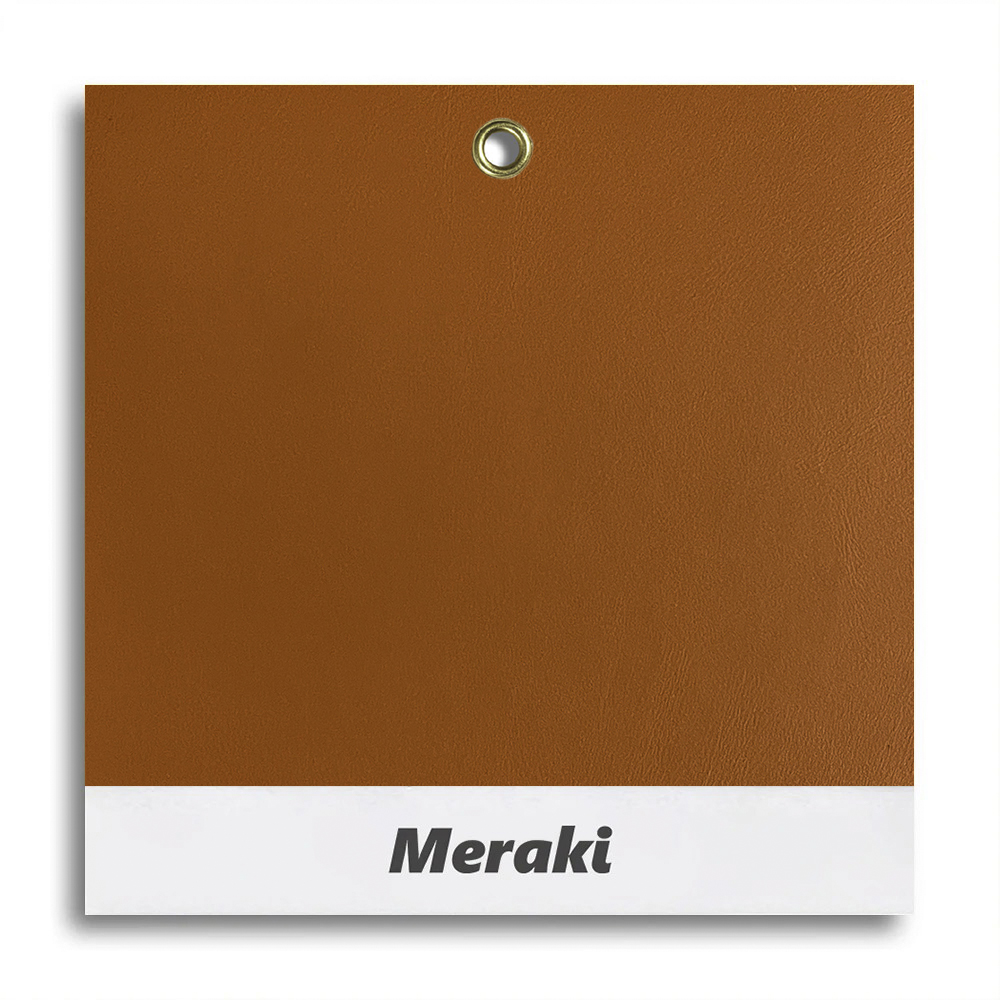
Leather Fabric For Upholstery
Physical Properties Pattern: Siliconeleather SeriesM635 Finish: Solvent freeleather Backing fabric:Non woven Width:137CM(54inches)Ink-type: Water-baseink Thickness:0.8MM Packing: 1.37*40m/Roll(Rolllegnth customizable forOEM) SingleDimension:145cmH*23L*23 cm W SingleGross Weight:32KGS Short Descripti... -
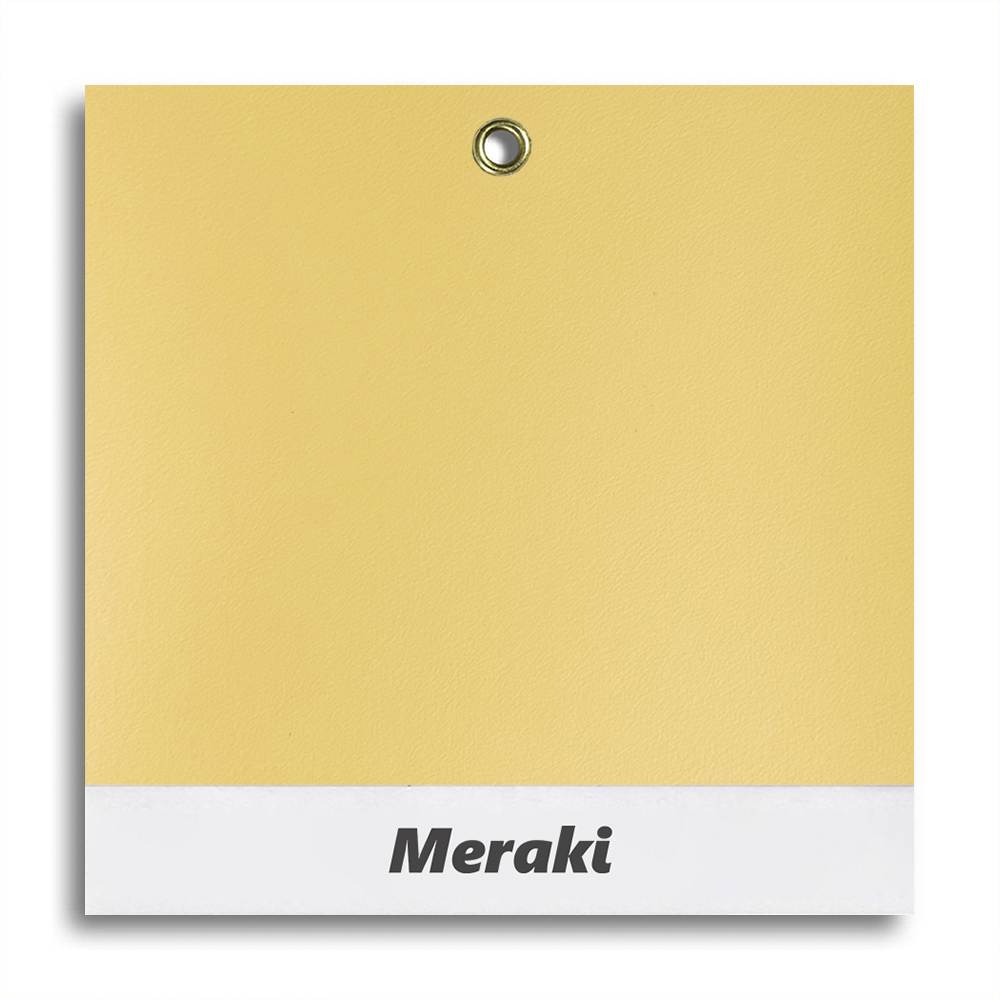
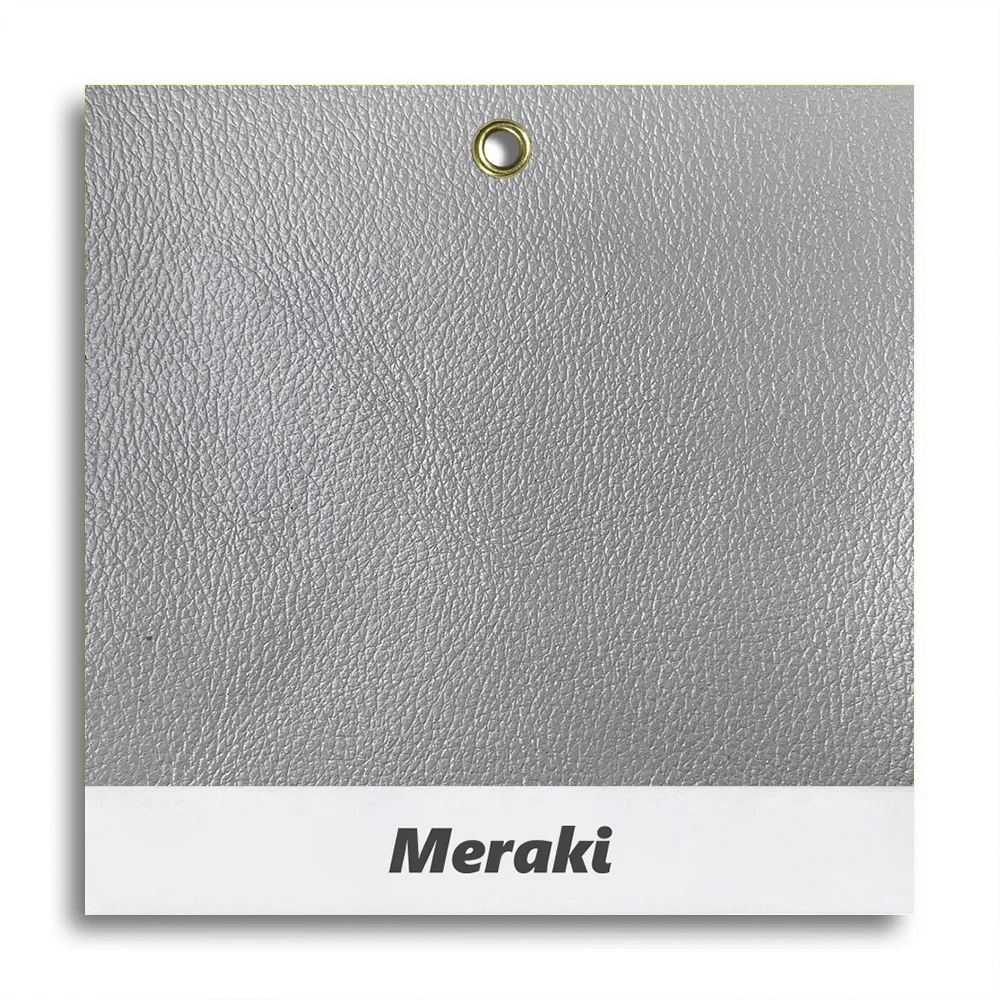
Meraki Fabric Upholstery Silicone Leather
Physical Properties Pattern: Siliconeleather SeriesM635 Finish: Solvent freeleather Backing fabric:Non woven Width:137CM(54inches)Ink-type: Water-baseink Thickness:0.8MM Packing: 1.37*40m/Roll(Rolllegnth customizable forOEM) SingleDimension:145cmH*23L*23 cm W SingleGross Weight:32KGS Short Descripti... -
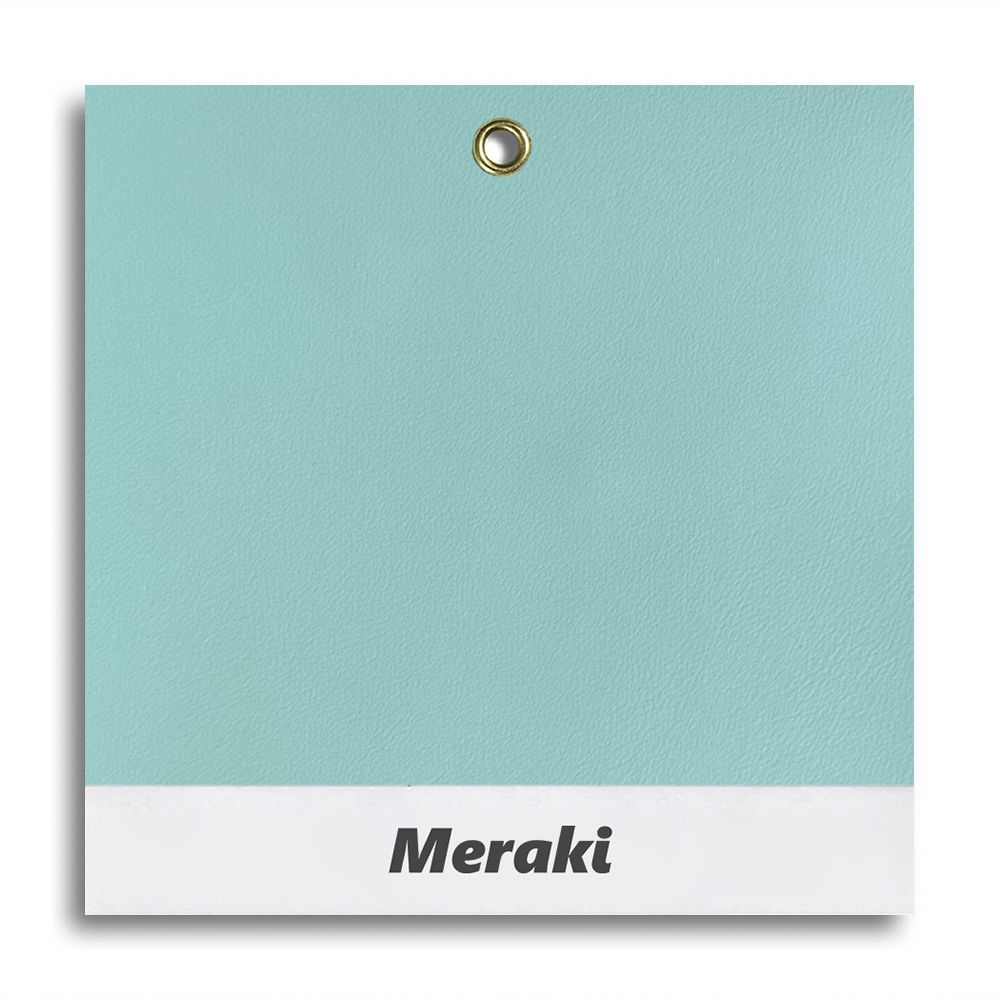
Meraki Faux Leather For Upholstery
Physical Properties Pattern: Siliconeleather SeriesM635 Finish: Solvent freeleather Backing fabric:Non woven Width:137CM(54inches)Ink-type: Water-baseink Thickness:0.8MM Packing: 1.37*40m/Roll(Rolllegnth customizable forOEM) SingleDimension:145cmH*23L*23 cm W SingleGross Weight:32KGS Short Descripti... -

Meraki Indoor Wall Decoration With Artificial Leather Structure
Physical properties Ingredients: PVC/semi-PU/PU/microfiber Thickness: Customizable Certification: CE, SVHC, British standard flame retardant, resistance, abrasion resistance, resilience, mildew resistance, etc. Uses: Home textiles, decoration, belt decoration, chairs, bags, furniture, sofa, notebook... -
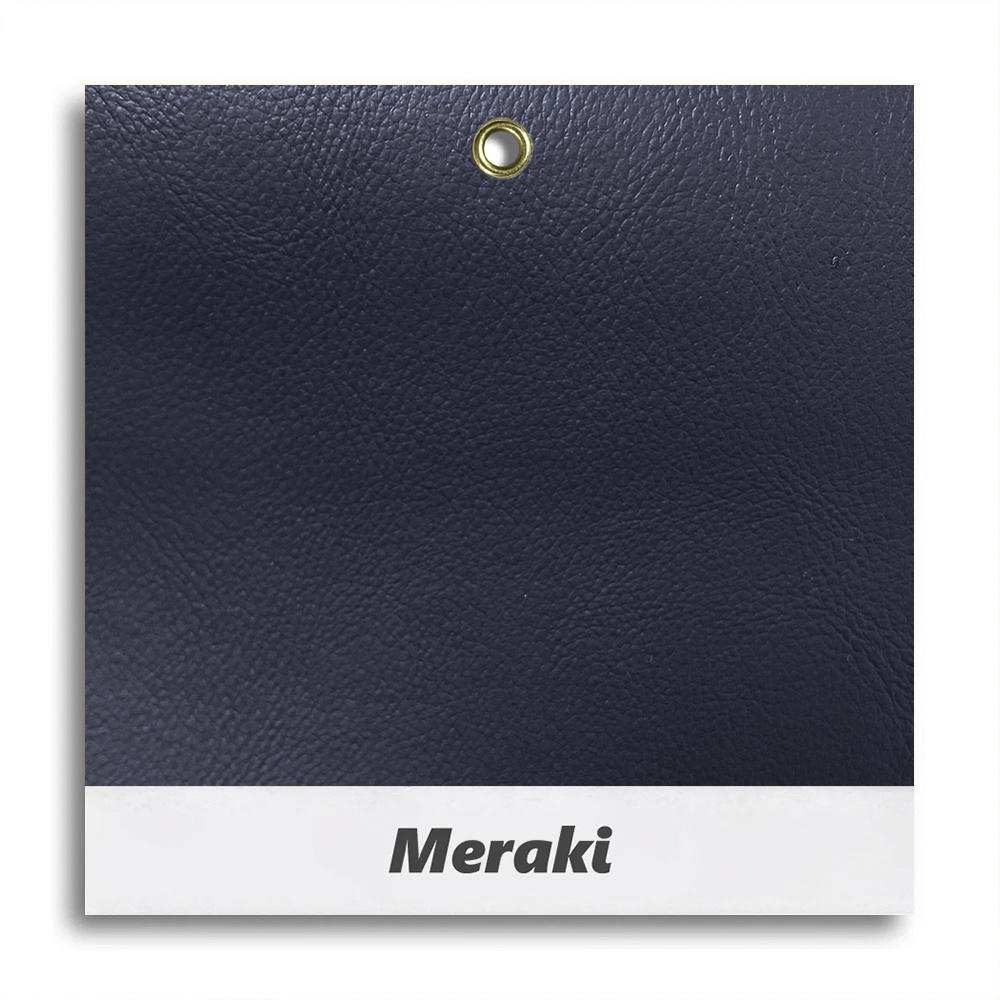
Meraki Wear-Resistant Soft PU Lychee Leather Artificial Leather Fabric
Physical properties Ingredients: PVC/semi-PU/PU/microfiber Thickness: Customizable Certification: CE, SVHC, British standard flame retardant, resistance, abrasion resistance, resilience, mildew resistance, etc. Uses: Home textiles, decoration, belt decoration, chairs, bags, furniture, sofa, notebook... -
Meraki Cat Scratching Leather
Physical properties Pattern: Customizable Availability: In stock Packaging: 1.37*40m/roll (roll length can be customized for OEM) Single sheet size: 145 cm H * 23 L * 23 cm W Short Description Cat scratching leather is a kind of imitation leather made of polyester fiber. It has a harder texture and ...
The Frequent FAQs of Leather Fabric
How does upholstery fabric differ from other types of fabric?▾
Upholstery fabric is thicker (often 12-16 oz per yard), more durable, and abrasion-resistant compared to regular fabric. It undergoes stringent testing, like Martindale Rub Test, ensuring longevity and suitability for high-use furniture applications.
What is pleather fabric and where is it commonly used?▾
Pleather is a synthetic leather made from plastic, typically used in fashion and accessories. We utilize pleather for its durability, affordability, and versatility, offering eco-friendly and stylish alternatives to genuine leather in our products.
How is leather headliner different from other types of headliners?▾
Leather headliners, offered by us, provide superior durability, luxury, and aesthetics compared to cloth or suede options. They resist stains and wear better, enhancing vehicle interiors with a premium look and feel. Ideal for upscale automotive applications.
How does imitation leather compare to real leather in terms of durability?▾
Imitation leather generally has lower durability, lasting 2-5 years versus 10-20 years for real leather. Factors like thickness, quality of manufacturing, and maintenance affect longevity.
What are the environmental impacts of producing vinyl synthetic leather?▾
Producing vinyl synthetic leather involves high energy consumption, emits volatile organic compounds, and generates PVC waste. Each square meter of synthetic leather can emit around 10-30 kg of CO2, contributing to pollution and resource depletion.
What are the key differences between faux vinyl leather and real vinyl leather?▾
Faux vinyl leather is synthetic, affordable, and lightweight, usually under 1.0 mm thick. Real vinyl leather is authentic, durable, and around 1.0-1.5 mm thick. Both offer water resistance, but faux is more eco-friendly.