

Maintaining Faux Leather
Keep faux leather in top condition by regularly dusting and cleaning with a damp cloth. Avoid harsh chemicals that can damage the material.

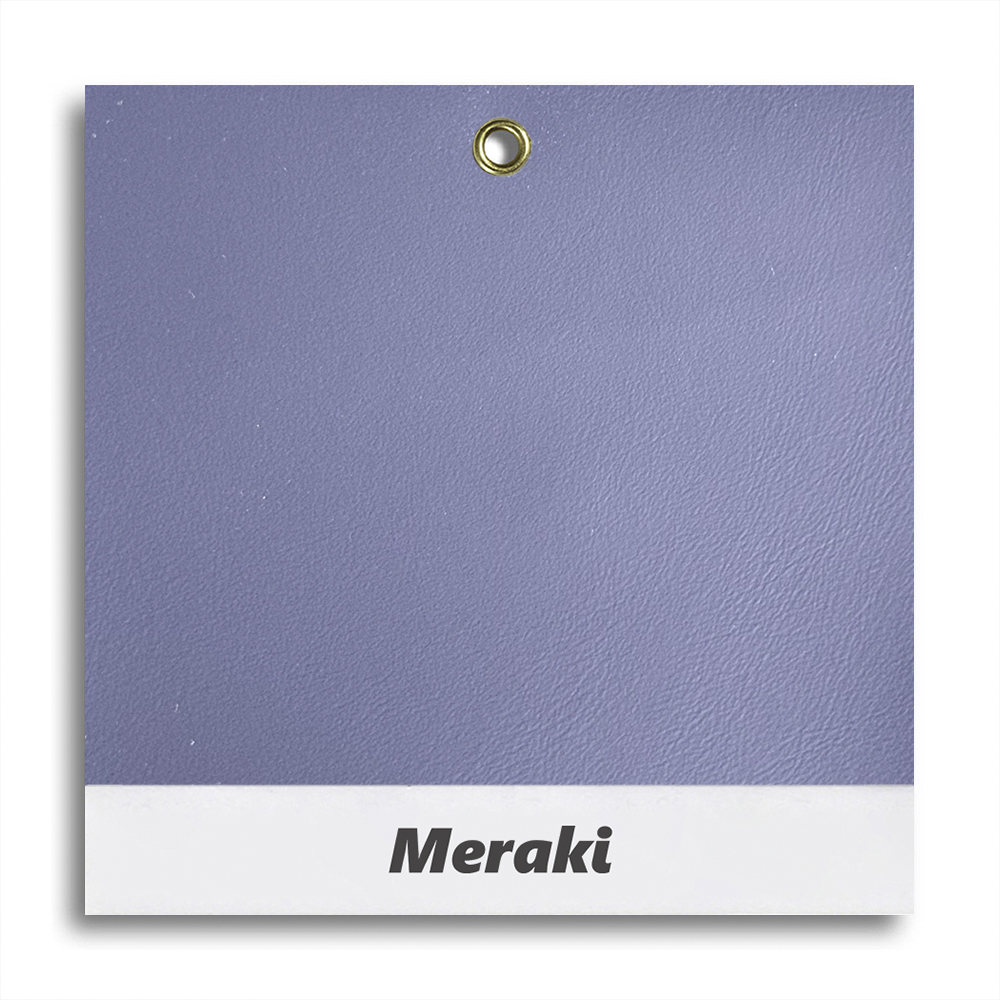
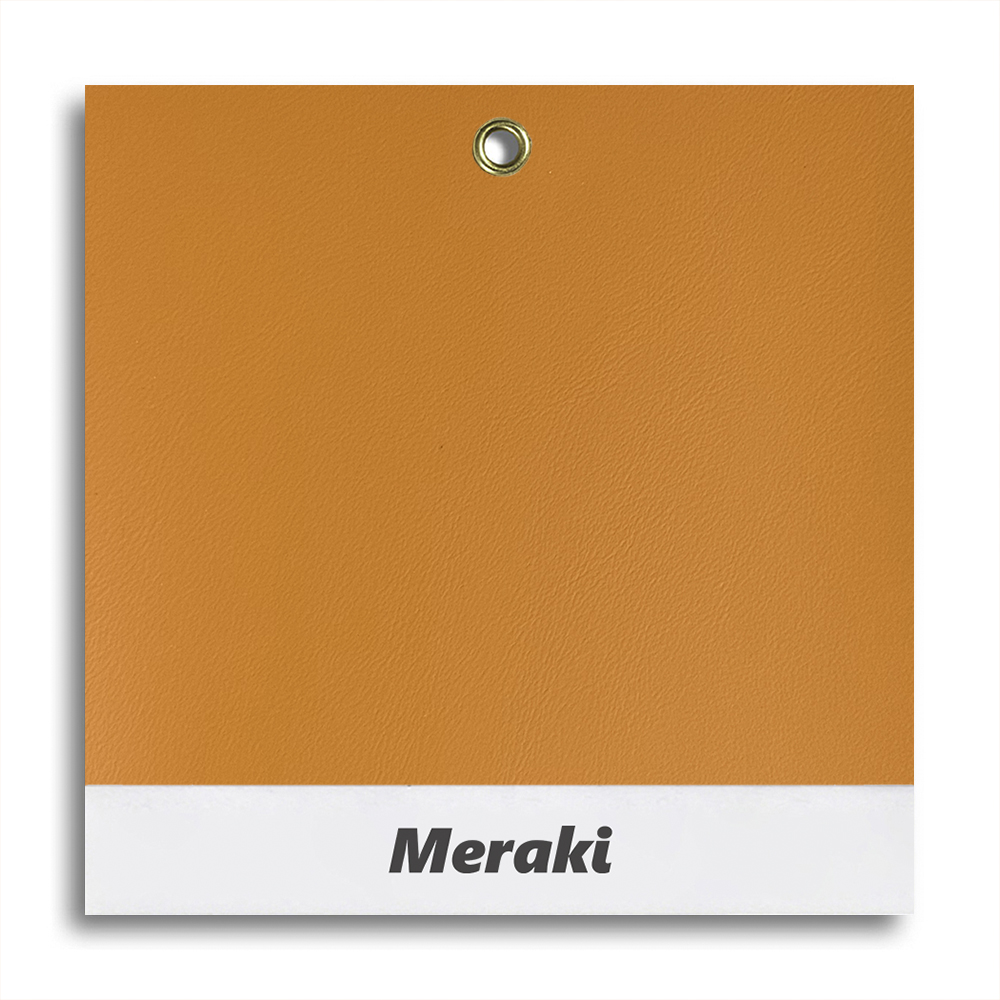
| Main Parameters | |
|---|---|
| Width | 1.37 meters |
| Thickness | 1.2 mm |
| Material | Faux Leather |
| Stretchability | 20% elastic |
| Color Options | 20+ |
| Durability | 60,000 Martindale Rubs |
| Applications | Upholstery, Automotive, Marine |
Meraki faux leather has been utilized in various design cases, including automotive interiors, modern furniture upholstery, premium office chairs, and custom yacht furnishings. Its versatility and durability make it appropriate for a wide range of high-end applications.
Manufacturers often collaborate with Meraki to customize the leather fabric to suit specific requirements, involving consultations, sample evaluations, and final approvals. This process ensures that the bespoke needs of each client are met with precision and quality assurance.
The faux leather is widely used across various industries, including automotive, home furnishings, and commercial seating sectors. Its adaptability and robust quality cater to manufacturers looking for reliable materials in China and beyond.
Keep faux leather in top condition by regularly dusting and cleaning with a damp cloth. Avoid harsh chemicals that can damage the material.
Meraki's faux leather offers an eco-friendly option for manufacturers focusing on sustainability, reducing reliance on genuine leather.
Current trends highlight minimalist designs using stretchable faux leather for sleek and streamlined furniture pieces, appealing to contemporary tastes.
Faux leather from Meraki lasts around 8-10 years with proper care, comparable in durability to medium-grade genuine leather.
All exported materials undergo strict quality assurance tests including abrasion resistance and color stability checks to meet global standards.
Manufacturers can request specific Pantone shades with a minimum order quantity of 500 meters, allowing for extensive customization.
